Follow Us On:

About Siem Reap

Overview

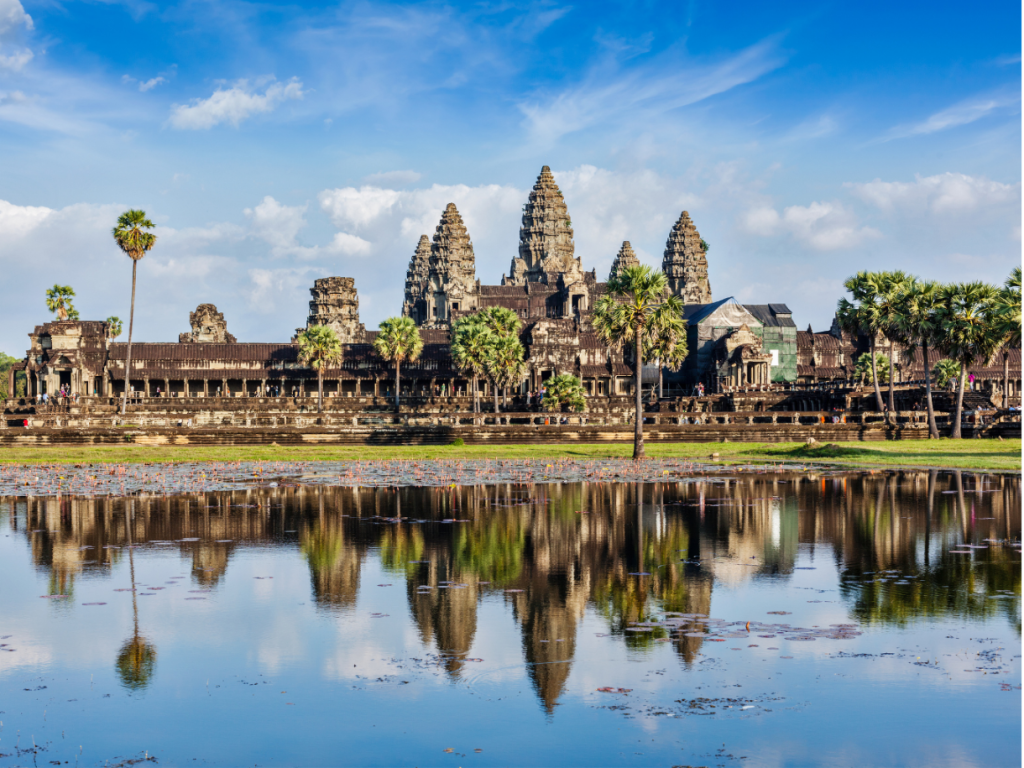
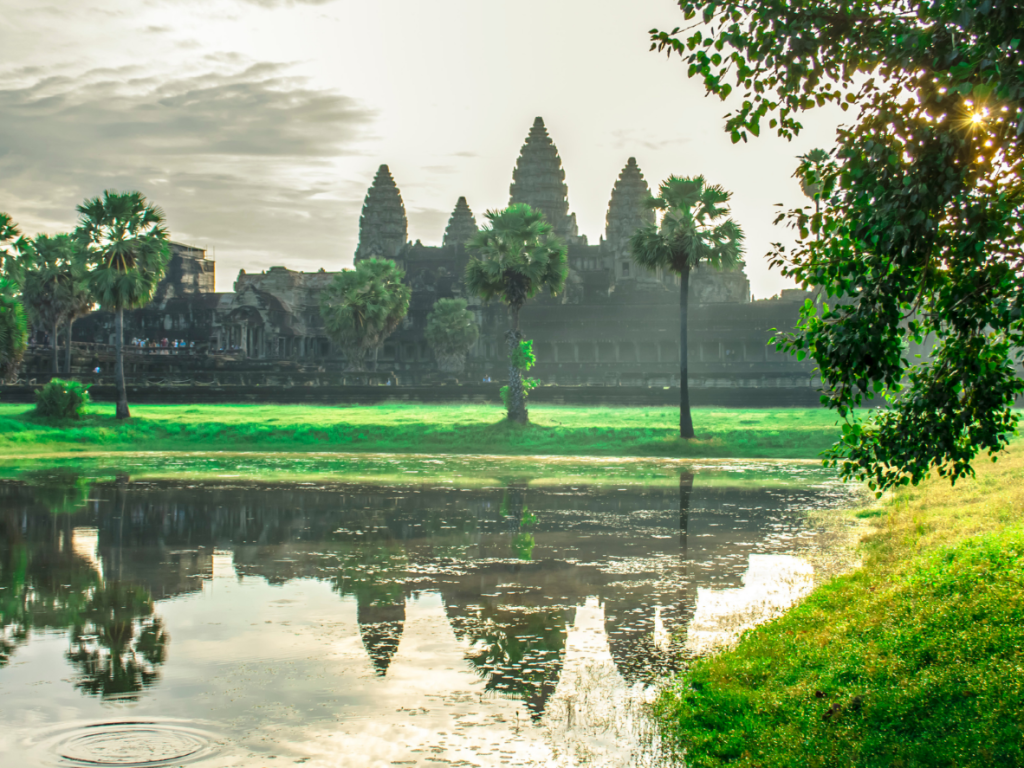
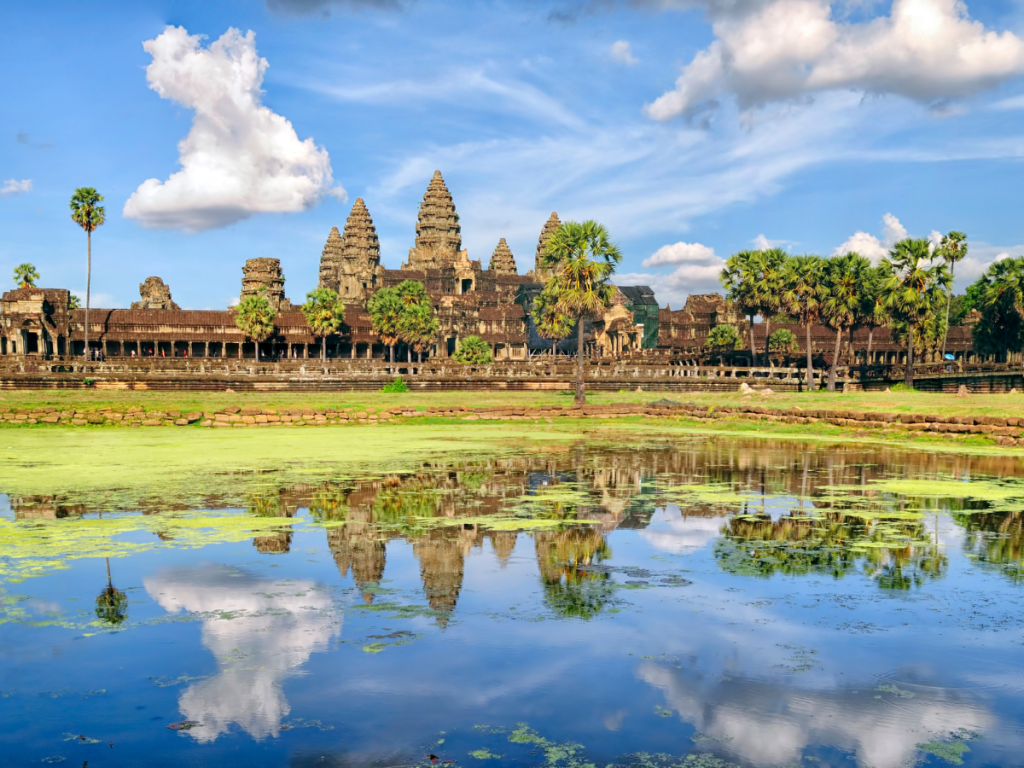
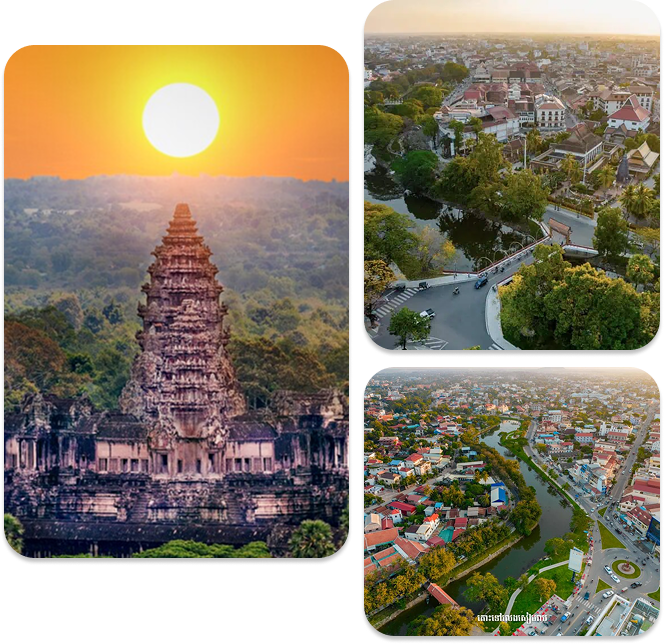
Siem Reap Province is basically the cradle of Angkorean civilization, and it is a province that offers plenty of opportunity to tourists enthralled by the Khmer culture. The ruins of Angkor, located amid forests and Farland, are now a UNESCO World Heritage Site. There are dozens of temple ruins in the Siem Reap area and it depends largely on how much time one has and one’s level of interest to determine how long one should spend to explore them.

This province is accessible on direct flights from many major cities in the region including Bangkok, Danang, Hanoi, Ho Chi Minh, Paksé, Vientiane, Kuala Lumpur, Singapore, Hong Kong, Kunming, Taipei, Manila, etc. From the capital of Phnom Penh, the Cambodia National Airline operates direct flights daily to and from Siem Reap.

Siem Reap Province can also be reached by speedboats along the Tonlé Sap from Phnom Penh and Battambang Province. The Siem Reap Province is conveniently situated 314 km northwest of Phnom Penh.

This is a vibrant city with many modern hotels and old colonial buildings boasting awesome architecture. Much of the town’s image, culture, and traditions are conserved despite the influx of tourists from all over the world.

[Source from Ministry of Tourism]
Cultural Tour Site

Angkor Wat Temple

Angkor Wat Built between 1113 and 1150 by Suryavarman II as his state temple and capital city, Angkor Wat is, with its 200 hectares area, one of the largest religious monuments ever constructed. Its name means “Buddhist Monastery in the city”. The most celebrated of all Cambodian´s monuments is considered to be the symbol of the nation and its silhouette appears in the national flag. This pinnacle of classical fine art was originally dedicated to the god Vishnu. In the 16th century, it started to become a significant pilgrimage site for both domestic and international adherents of Buddhism.

Bayon Temple

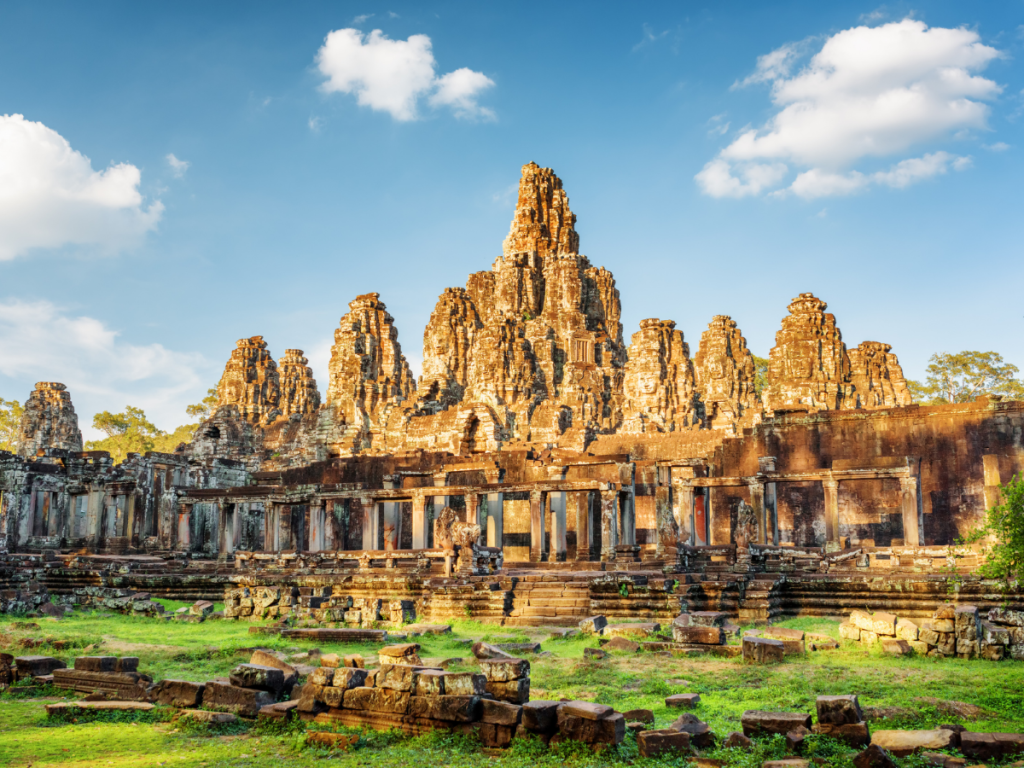
Bayon was erected under the reign of Jayavarman VII, towards the end of the 12th century; this extremely complex temple is sometimes viewed as embodying a type of Angkorian “baroque” in comparison with Angkor Wat. The smiling face depicted on many of its towers is enigmatic. Only 37 towers are still standing among the 49 or 54. Its exceptional bas-reliefs depict the daily life of the Khmers at the time of Angkor’s grandeur and mythological scenes. The Bayon has a multitude of symbolic functions. When considered in relation to the walled city of Angkor Thom, it is the pivotal mountain that serves in the ” Churning of the Sea of Milk ” around which is called the serpent Vasuki.

Another place for exploring in Siem Reap

Siem Reap offers a unique blend of history, culture, nature, and modern comforts. Participants who wish to explore beyond the ATP program may consider the following activities:

Visit Banteay Srei Temple

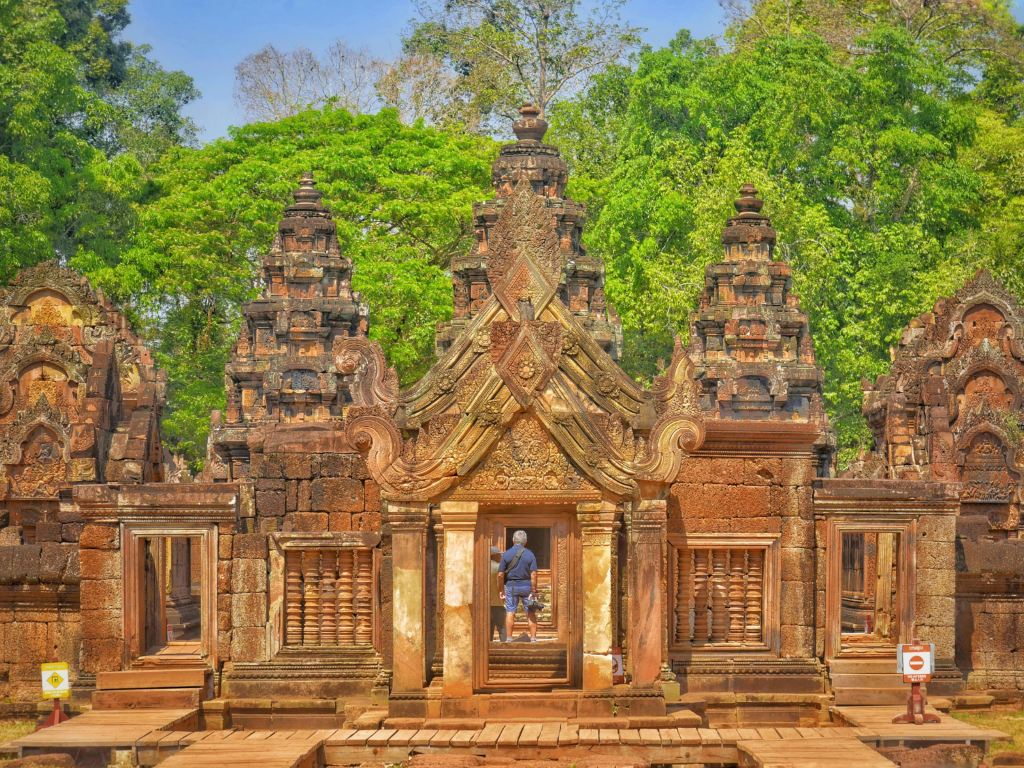
Banteay Srei was dedicated on 22 April 967, often spoken as the jewel of Khmer art and described as a gem of a temple, this small monument of pink sandstone boasts some very fine sculptures with no equivalent in other Khmer temples. The site is exquisite and its access is a nicely landscaped garden.

Banteay Srei temple was founded by an important dignitary who served during the reign of Rajendravarman and then in the reign of Jayavarman V. Commenced in 967 AD, this work attracted the support of his brother and sister, as attested by inscriptions on the stone door jambs of the lateral sanctuaries of the central group.

Experience Tonlé Sap Lake and Floating Villages

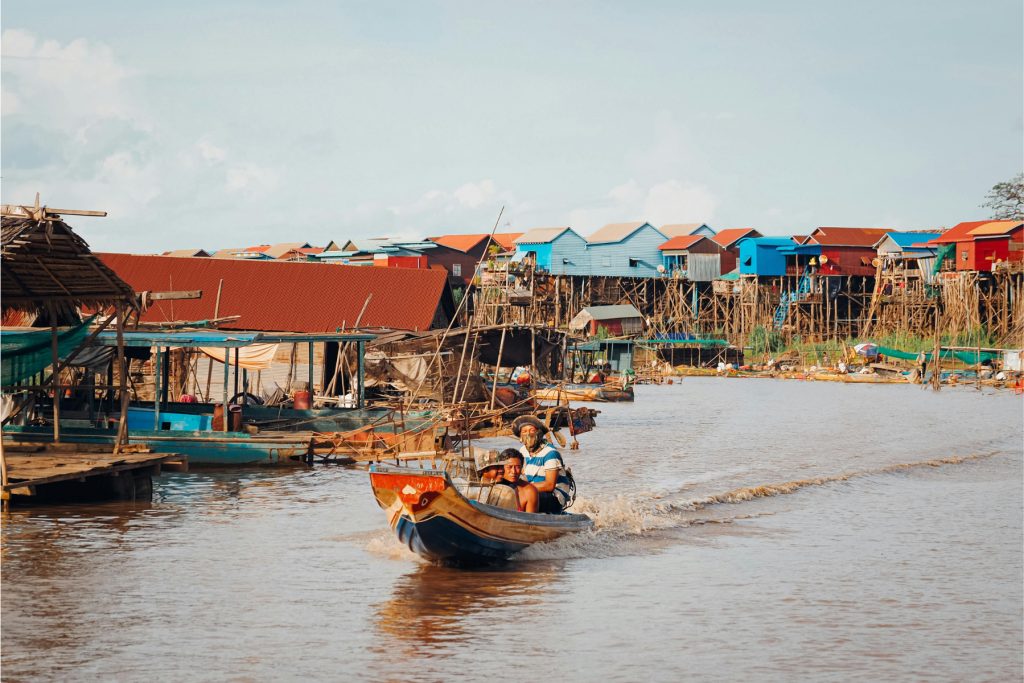
A visit to the floating villages on Tonle Sap Lake offers a unique insight into the lives of the communities that live on the water. Homes, schools, and markets float on the lake, adapting to the water levels that change with the seasons. You can take a boat tour to experience this fascinating way of life up close.

Kampong Phluk Floating Village is a unique and fascinating destination located in Siem Reap, Cambodia. Situated about 16 kilometers southeast of Siem Reap town, it offers visitors an opportunity to witness the traditional lifestyle of the locals living on the Tonle Sap Lake.

Baphuon Temple

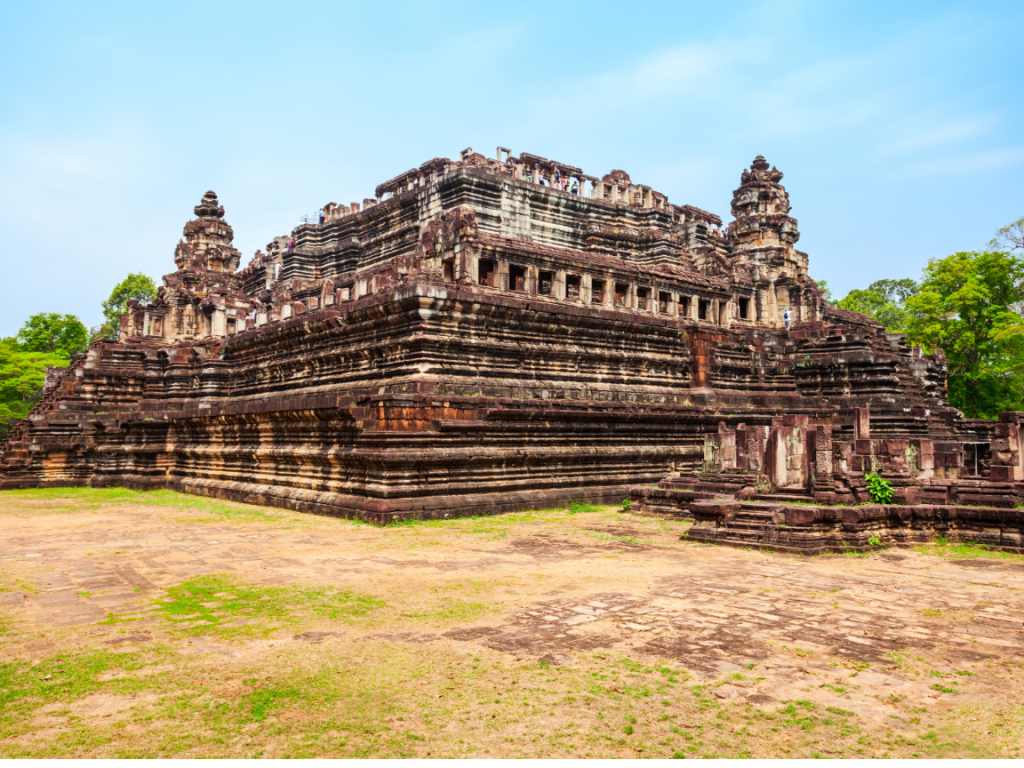
Baphuon was originally a state-temple mountain dedicated to Shiva when it was built in the 11th century (around 1060). During the 16th century an immense statue of reclining Buddha was erected on his western face when the temple was converted to Buddhism. This enormous monument had been almost entirely dismantled. The works of restoration started in 1995 and ended in 2011. Baphuon is famous for its narrative bas-reliefs with scenes from the Ramayana and the Mahabharata as well as from life of Krishna.

Ta Prohm Temple

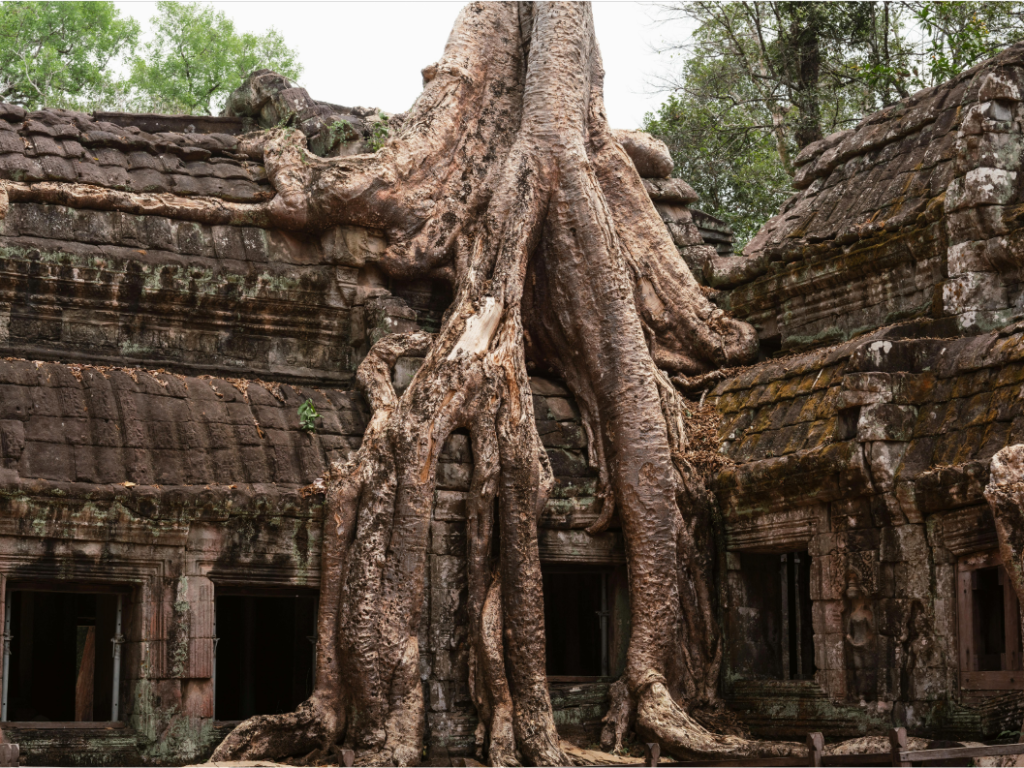
Ta Prohm known today as Ta Prohm or “Old Brahma”, this monument was initially named “Rajavihara” meaning “royal monastery”. In 1186 AD, Jayavarman VII consecrated several statues here, the most important of which was that of Prajnaparamita, the personification of the Perfection of Wisdom, a figure whom the King identified with his mother.

Pub Street

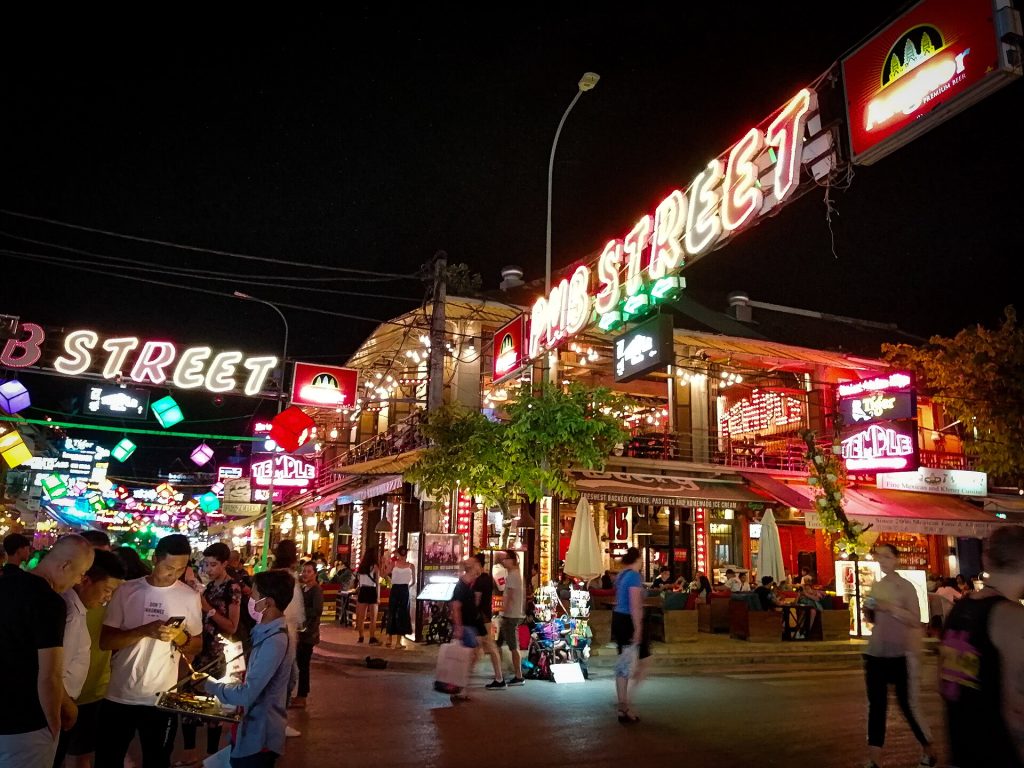
Pub Street as the night goes on, the music starts to blast, and the atmosphere often turns into a lively party scene. Meanwhile, people-watching here is incredibly engaging, and it won’t cost you a single riel. Some may find it over-powering, but if you’re looking for where everybody is, then Pub Street it is. Lined with restaurants and bars selling cheap beer and reasonable food. Later on, the music starts thumping and there’s often almost a party atmosphere.

Phnom Kulen

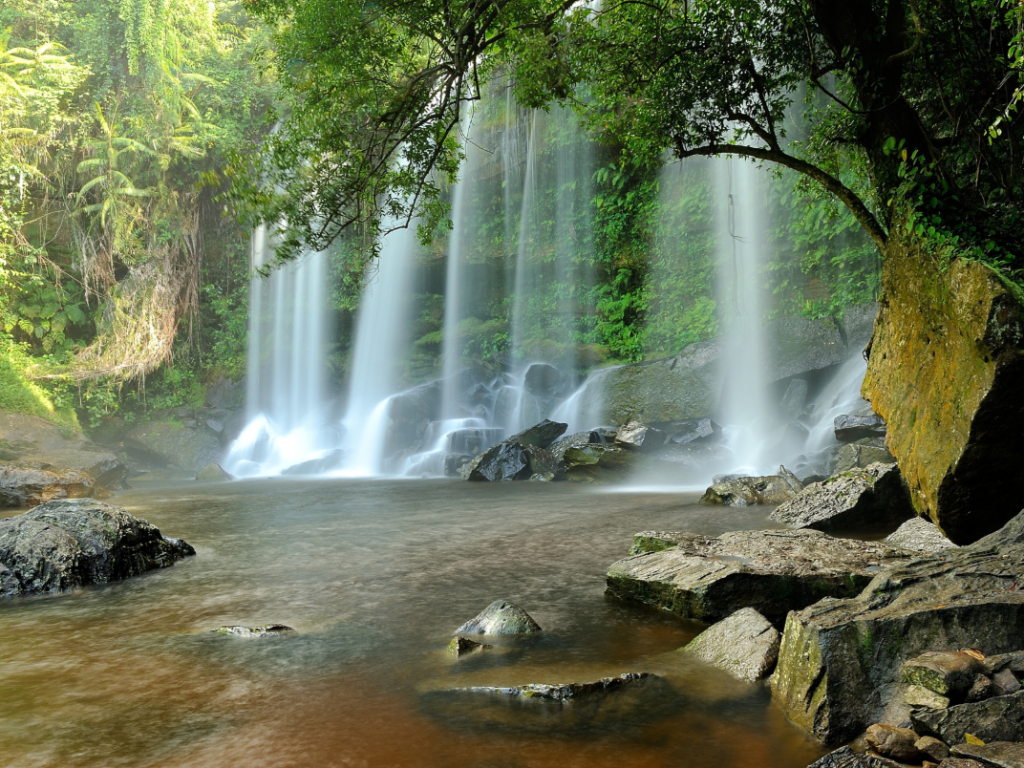
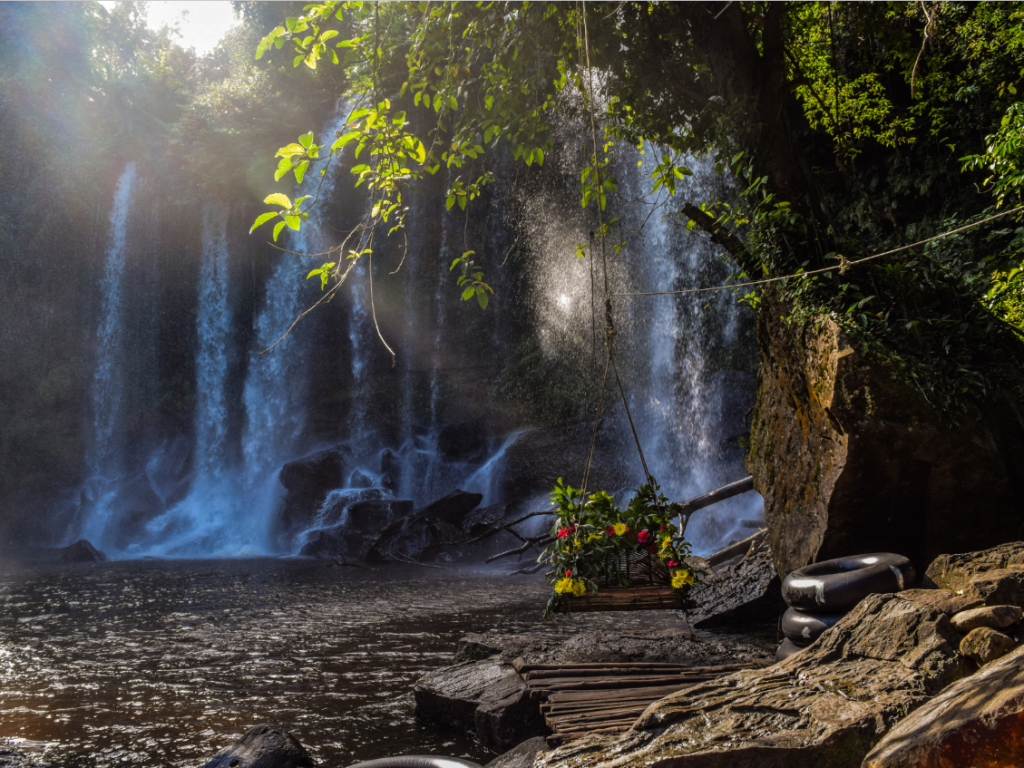
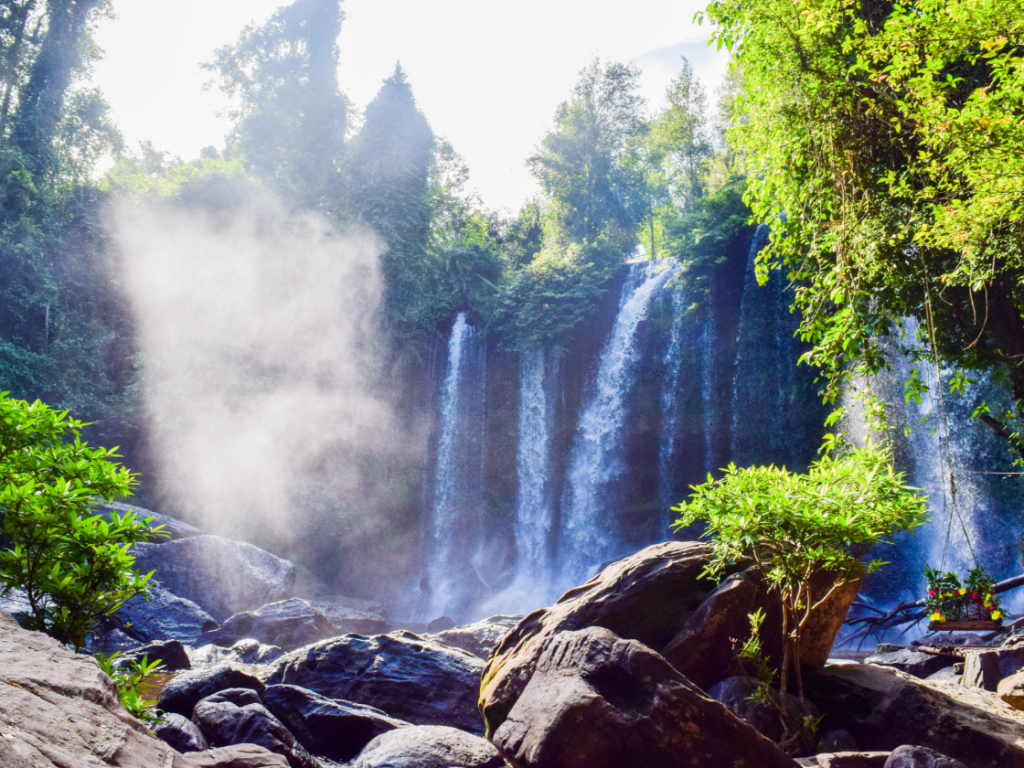
Phnom Kulen mountain, locate about 1.5-2 hours alway from Siem Reap. The mountain was given its name due to the abundance of lychee trees it once hosted, and nowadays offers visitors a beautiful view, as well as fun activates such as picking and waterfall swimming. For thoes who plan to drive up to the top of Kulen Mountain, you need to get there early, as the road is one-way traffic only.
Located about 50 kilometers from the city of Siem Reap, Phnom Kulen is one of Cambodia’s most revered sites. According to legend, it was here that King Javavarman II declared independence from Java in 802 CE and thus began the Khmer Empire – as an independentation.

These activities offer a glimpse into the local culture, history, and lifestyle, providing a more comprehensive experience of Siem Reap beyond the typical temple tours.