Follow Us On:

About Cambodia

Geography

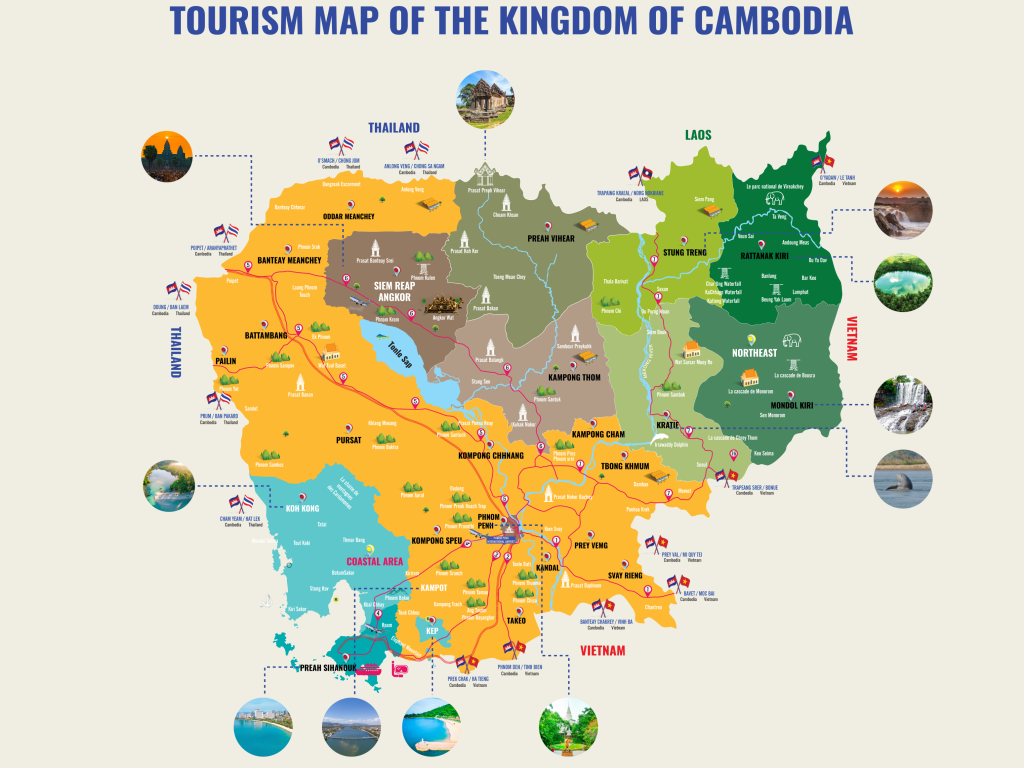
A Southeast Asian nation is located on the Indochinese Peninsula. It is bordered by Thailand to the west and northwest, Laos to the north, and Vietnam to the east and southeast. The country’s southern coastline is along the Gulf of Thailand, providing it with a range of coastal landscapes. The total area of Cambodia is approximately 181,035 square kilometers, making it slightly smaller than the U.S. state of Oklahoma. The country’s terrain is dominated by the low-lying central plains, which are part of the larger Mekong River basin. The Mekong River, one of the world’s major rivers, flows from north to south through Cambodia, providing vital resources for agriculture, fishing, and transportation. The Tonle Sap, Southeast Asia’s largest freshwater lake, is another key feature, significantly swelling during the monsoon season and supporting a vast inland fishery.
Weather

Cambodia experiences a tropical monsoon climate, with two distinct seasons: the wet season from May to October and the dry season from November to April. During the wet season, heavy rains nourish the country’s agricultural lands, particularly the rice paddies that dominate the rural landscape. The dry season, on the other hand, is marked by lower humidity and cooler temperatures, making it a favorable time for tourism.

Note: Weather in November
Siem Reap Conditions are characterized by warm temperatures and moderate rainfall. Daytime highs typically reach 32°C (89.6°F), while evening temperatures drop to around 24°C (75.2°F), offering more comfortable conditions after sunset. Rainfall averages 66 mm for the month, with about six days of light showers.

Culture

Cambodia’s culture is a rich tapestry of traditions, beliefs, and practices that have been shaped by its long history and diverse influences. At the heart of Cambodian culture is Buddhism, which plays a central role in the daily lives of the majority of Cambodians. Theravada Buddhism, the predominant form of Buddhism in Cambodia, influences everything from religious ceremonies to social customs and values. Monasteries, known as pagodas, are found throughout the country, serving as centers of community life and spiritual practice.

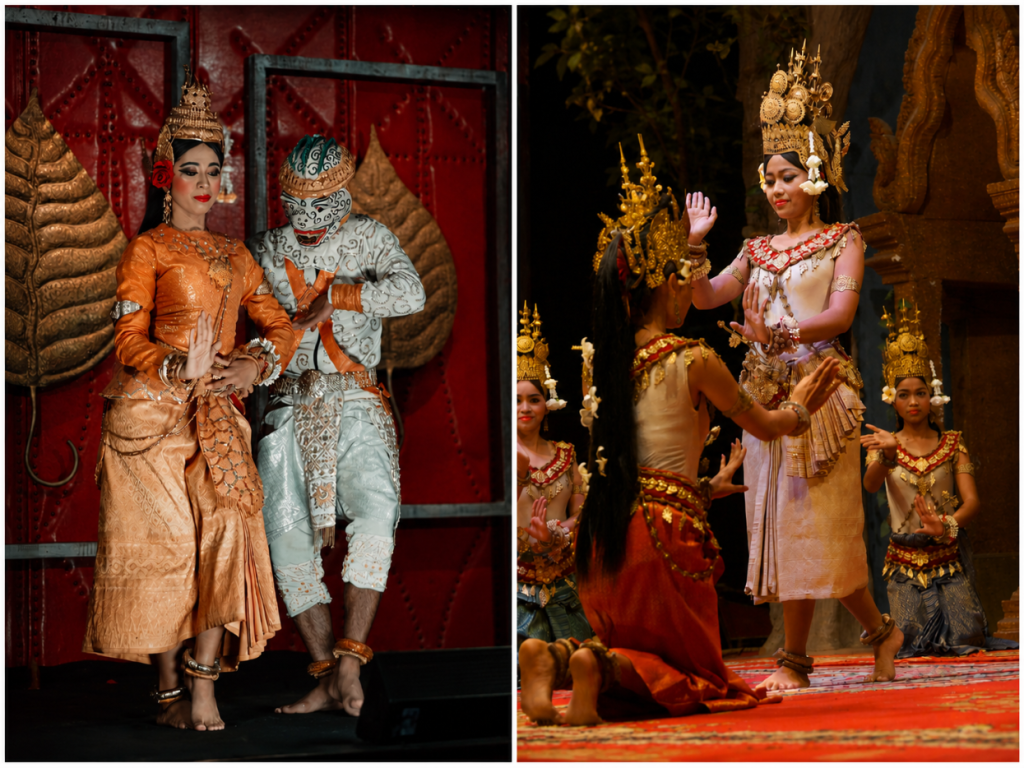
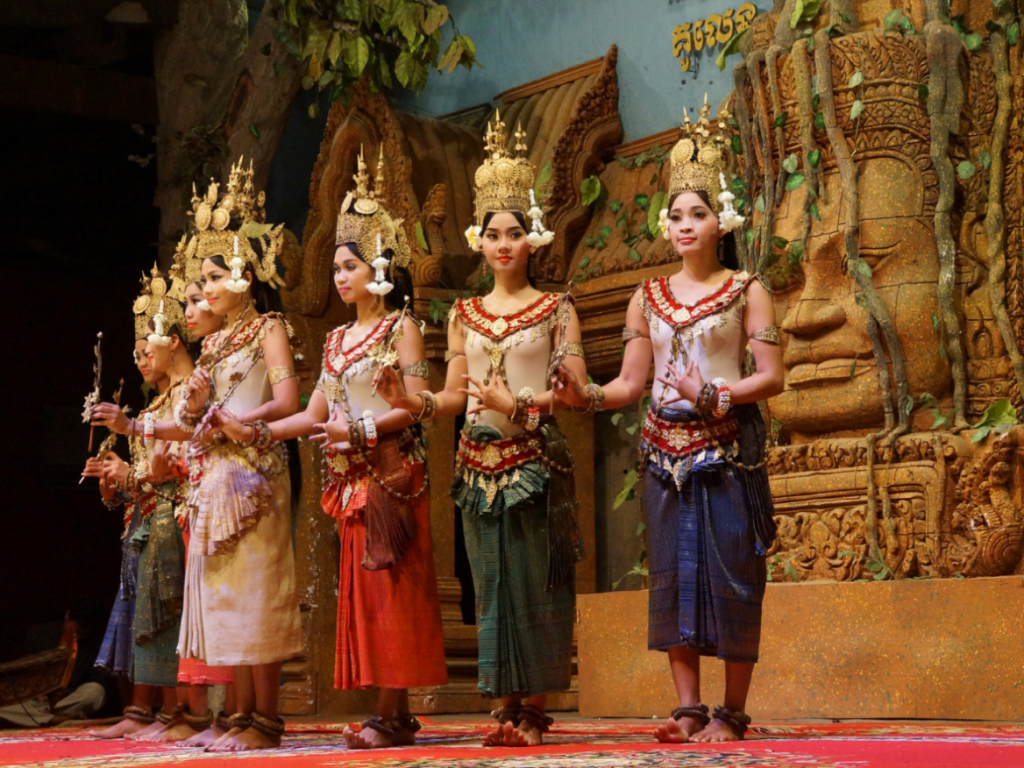
One of the most iconic expressions of Cambodian culture is its classical dance, particularly the Apsara dance, which has its roots in the royal courts of the Khmer Empire. Apsara dancers, dressed in elaborate costumes and adorned with gold jewelry, perform graceful and symbolic movements that tell stories of gods, heroes, and mythical creatures. This dance, along with other forms of traditional music and theater, continues to be an important part of Cambodia’s cultural heritage and is often performed at cultural events and festivals.

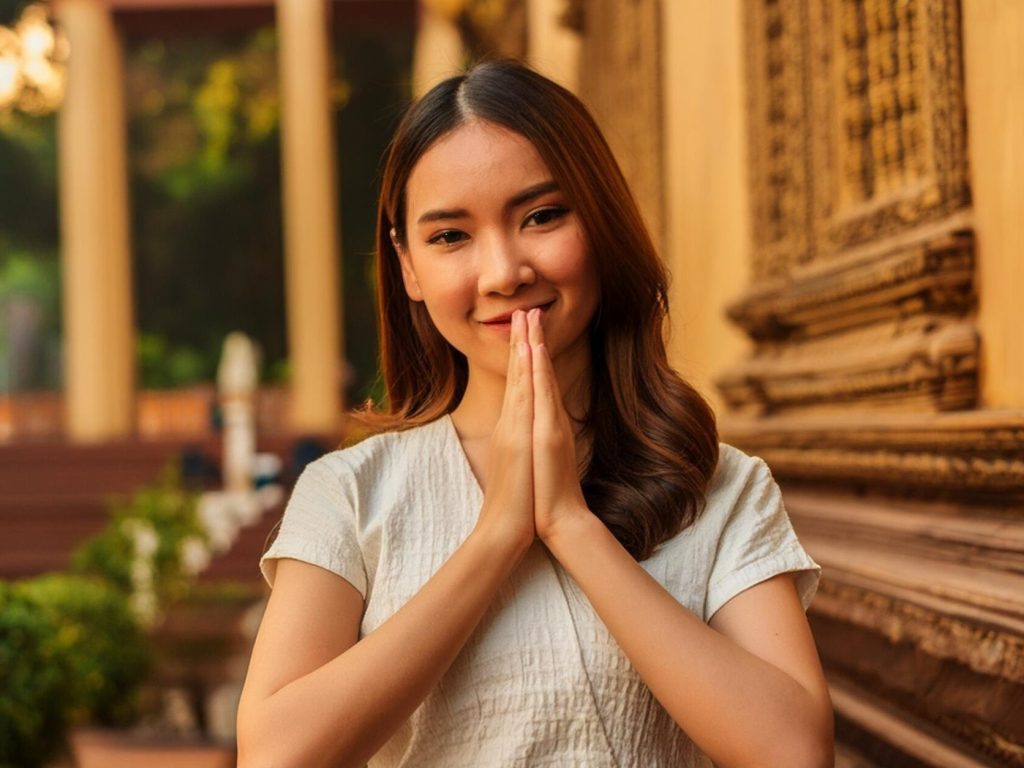
Khmers greet one another with a sompiah, holding both hands together and bowing slightly. To show more respect, move your hands higher and bow lower. Keep your palm down when beckoning someone towards you.

https://res.cloudinary.com/rainforest-cruises/images/c_fill,g_auto/f_auto,q_auto/v1620068179/Traditional-Cambodian-Dishes-To-Eat-Amok/Traditional-Cambodian-Dishes-To-Eat-Amok.jpg

Food

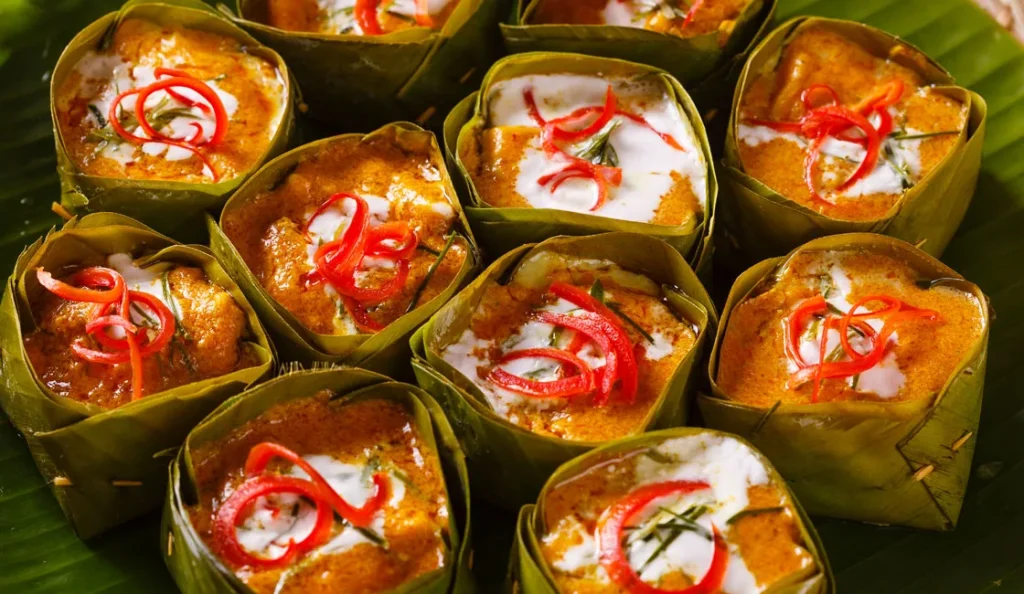
Cambodian cuisine, often overshadowed by the culinary traditions of its neighbors Thailand and Vietnam, is a hidden gem in Southeast Asia’s gastronomic landscape. The cuisine is characterized by its balance of flavors salty, sweet, sour, and bitter often achieved through the use of ingredients like lemongrass, kaffir lime leaves, tamarind, and fish sauce. Rice is a staple in Cambodian meals, served with a variety of dishes ranging from soups and stir-fries to grilled meats and curries. One of the most famous Cambodian dishes is Amok, a fragrant curry traditionally made with fish, coconut milk, and a paste called kroeung, which is a blend of spices and herbs like lemongrass, turmeric, and galangal. The dish is often steamed in banana leaves, giving it a unique texture and flavor. Amok is not only a favorite among locals but also a must-try for visitors seeking an authentic taste of Cambodian cuisine.

Currency

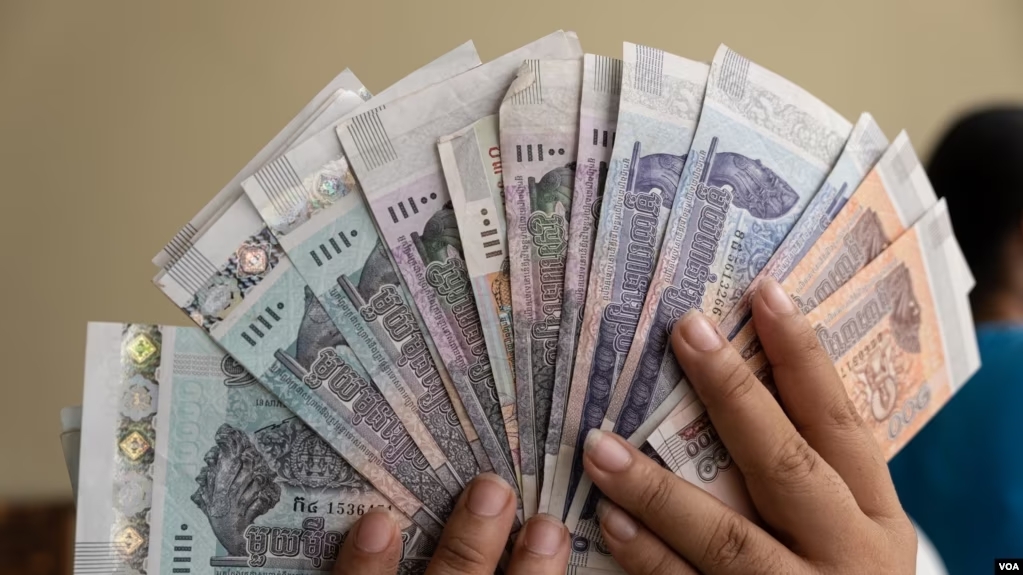
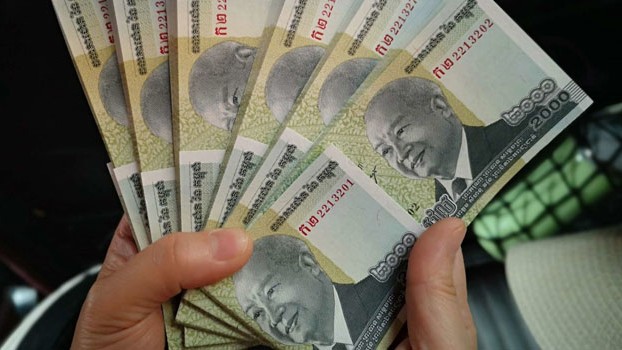
The official currency of Cambodia is the Cambodian Riel (KHR), but the US Dollar (USD) is widely accepted and often used for larger transactions. The dual currency system makes it convenient for tourists, as they can use USD for most purchases, especially in urban areas and tourist spots. Prices in Cambodia are often quoted in both Riel and USD, with smaller denominations usually paid in Riel and larger ones in dollars. The exchange rate between the two currencies is relatively stable, making it easy to navigate daily transactions.

Online Payment

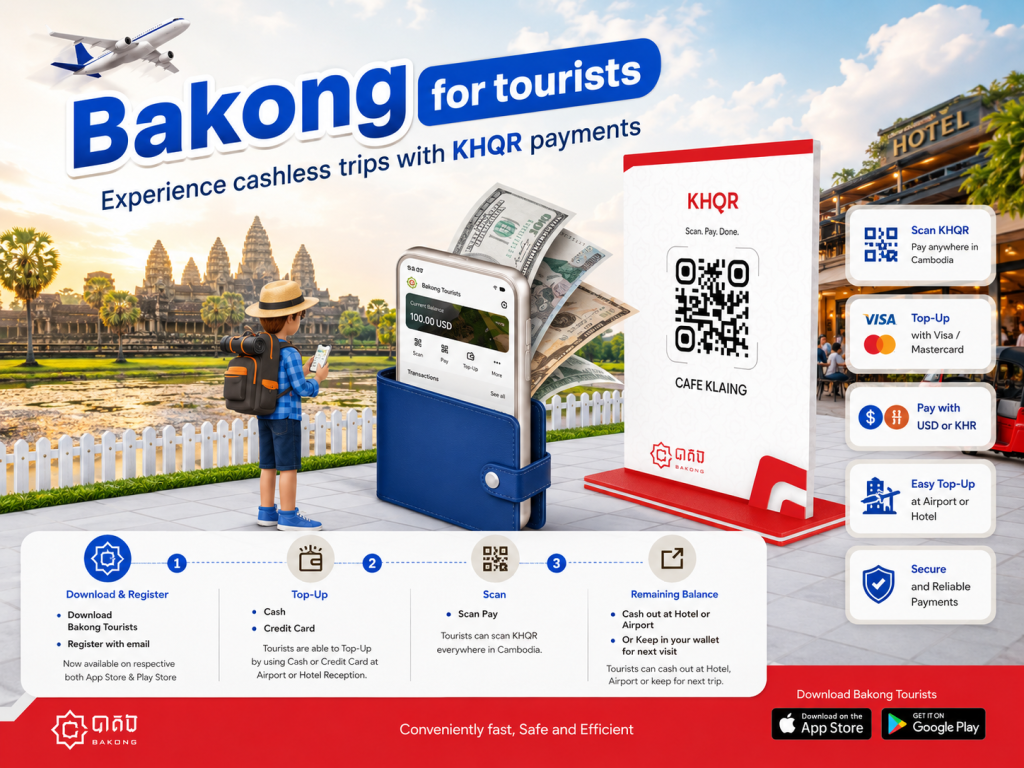
The Bakong Tourists App is a digital payment application developed by the National Bank of Cambodia (NBC) specifically for international tourists visiting Cambodia. It allows tourists to make digital payments using their mobile phones, enabling them to pay for goods and services using KHQR codes, and even link their Visa cards to the app for convenient top-ups and payments. The app also facilitates sending and receiving money, currency exchange, and tracking transaction history.

Here is a video: How to pay with BakongTourists app
Download: Google Play | App Store

Cambodia languages

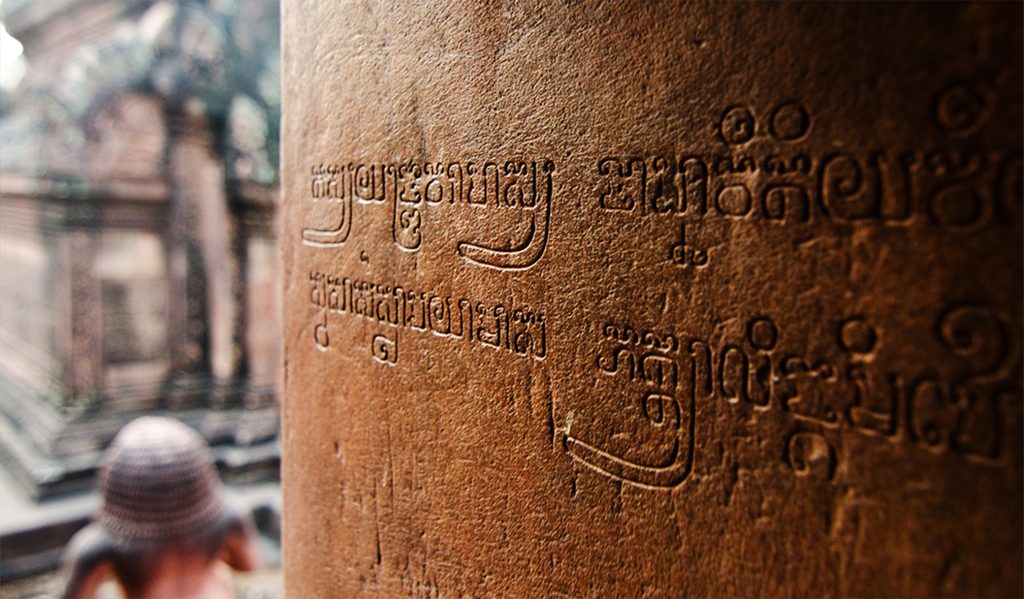
The official language of Cambodia is Khmer, also known as Cambodian. Khmer is spoken by the vast majority of the population and is the language of government, education, and media in the country. It is written in the Khmer script, which is one of the oldest scripts in Southeast Asia, with roots in the Brahmi script of ancient India. Learning a few basic phrases in Khmer can enhance the travel experience in Cambodia, as it allows for more meaningful interactions with locals. While English is increasingly spoken, especially in urban areas and tourist destinations, Khmer remains the key to understanding the nuances of Cambodian culture and society.

https://www.flickr.com/photos/21160499@N04/7603611146
https://kohsantepheapdaily.com.kh/article/822116.html

Grab Grab: The leading ride-hailing app for taxis, motorbikes, and tuk-tuks.
Download: Google Play | App Store
PassApp PassApp: Popular local app for tuk-tuks and taxis.
Download: Google Play | App Store
WOWNOW WOWNOW: A growing “Super App” in Cambodia offering food delivery, online shopping, and taxi booking, including electric‑car rides.
Download: Google Play | App Store

Transportation in Cambodia

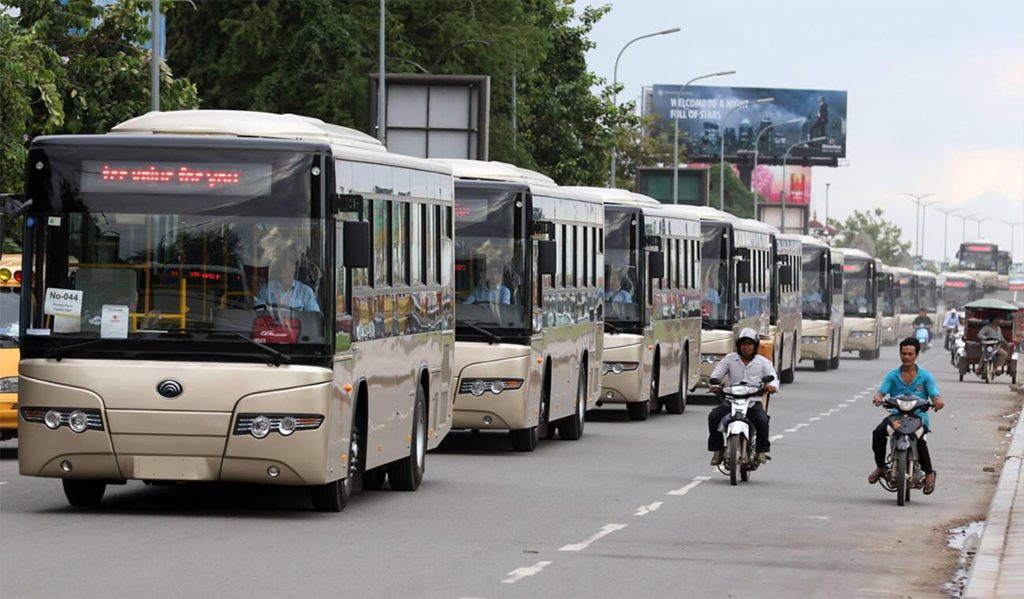
Cambodia offers a range of public and private transport options, including buses, trains, taxis, ride-hailing apps, and unique local vehicles. Major cities like Phnom Penh and Siem Reap have limited public transport, with tuk-tuks and motorbike taxis widely used.

Public Transport: Phnom Penh operates city buses on multiple routes.
Transportation Apps: In Siem Reap, guests can enjoy a stress-free travel experience by using ride-hailing apps that offer transparent pricing and reliable service without the need for intense bargaining.

Electricity in Cambodia

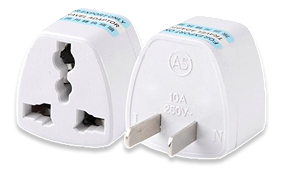
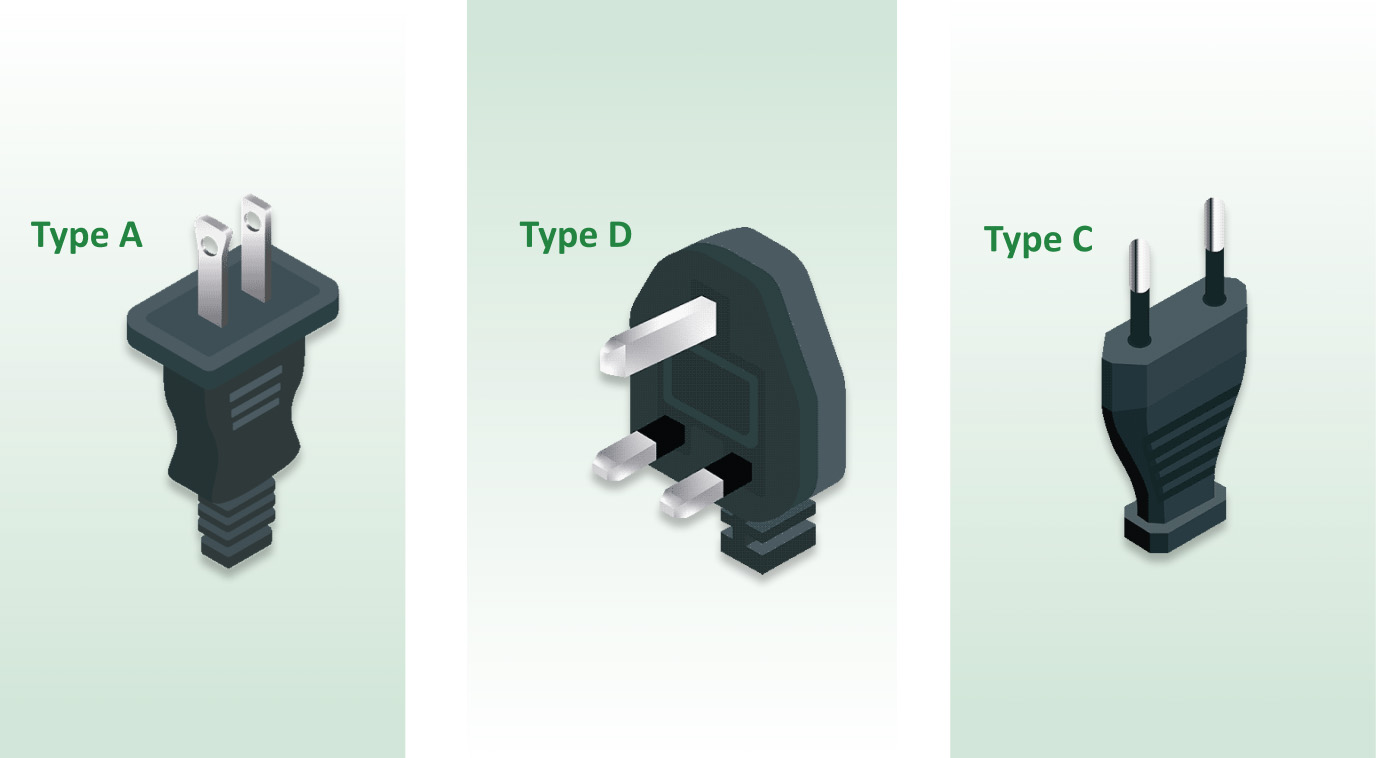
In Cambodia, power plugs and sockets (outlets) of type A, type C and type G are used. The standard voltage is 230 V at a frequency of 50 Hz.

Attractive Tourist Destination

Tataï Waterfall

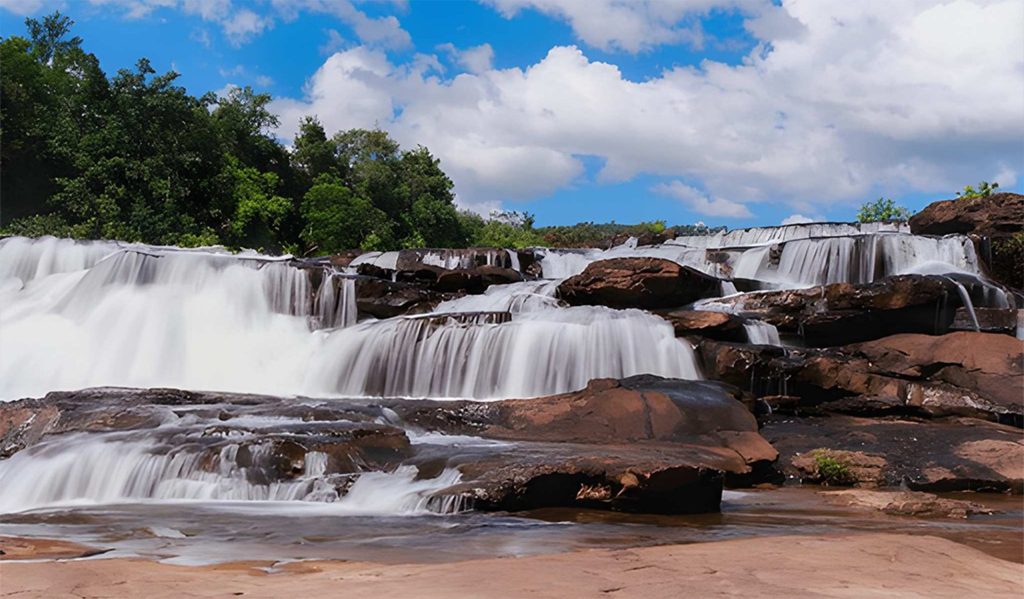
Tataï Waterfall is located roughly 20km east of Koh Kong town, accessible by boat or jungle hike from the Tataï bridge. Unlike the quiet trickles you might find elsewhere, Tataï doesn’t whisper — it roars.
The river, fed by the Cardamom Mountains, crashes in layered steps over volcanic rock, creating natural infinity pools you can slide into. The water is fresh, powerful, and completely untamed.

Preah Vihear Temple

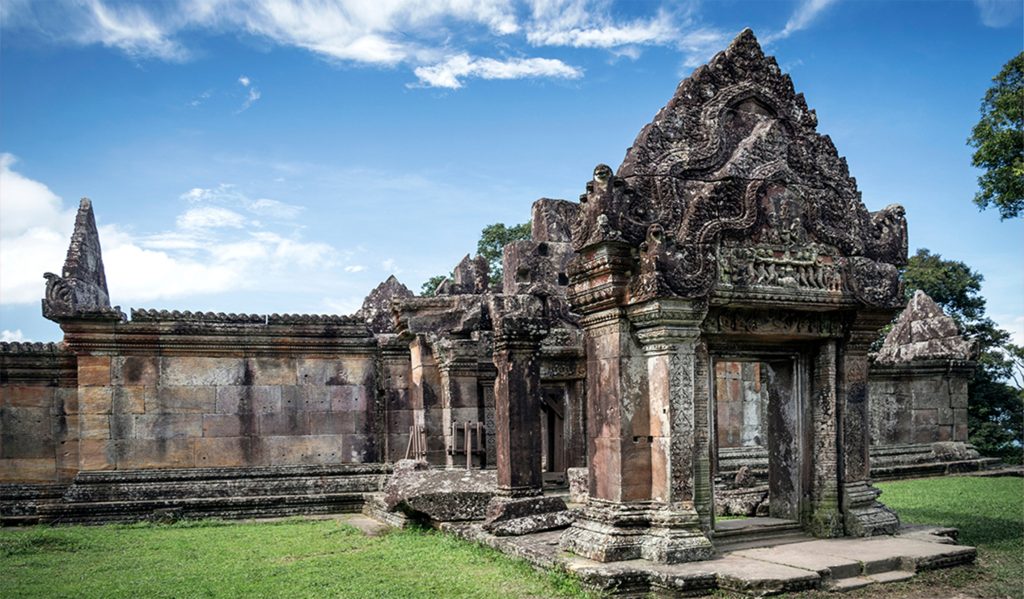
Preah Vihear is a masterpiece of ancient architecture, Preah Vihear Temple is a proud symbol of Khmer cultural heritage. Built during the 9th-century Khmer Empire, the temple features. Departing from Siem Reap city center, your journey begins toward the awe-inspiring Preah Vihear Temple, dramatically perched atop a 700-meter-high cliff.

Yeak Laom Lake

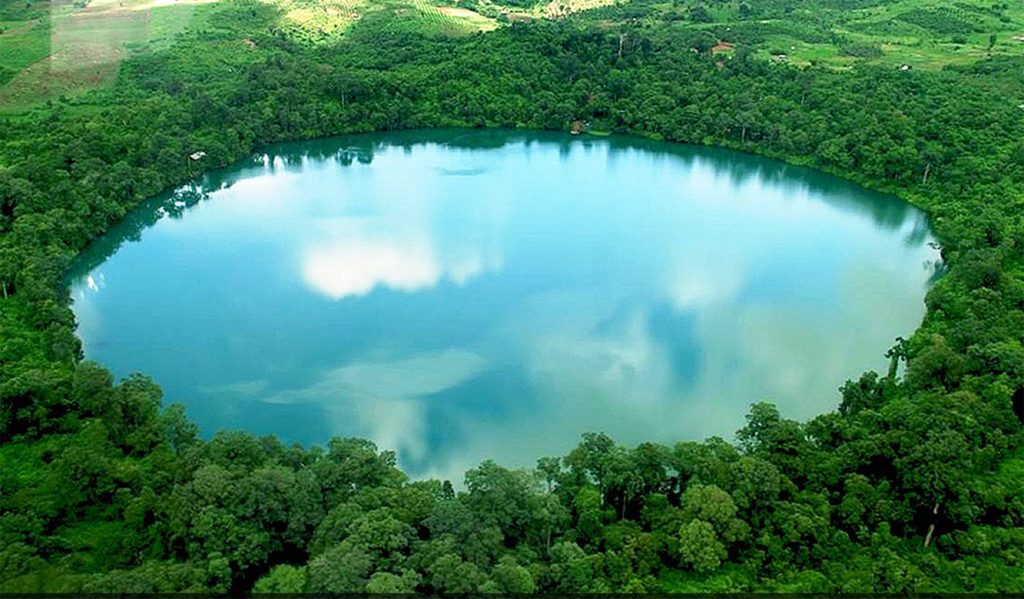
The beautiful Lake Yeak Laom is located about 5 km from central Banlung. An oval-shaped walkway surrounds the lake, allowing visitors to enjoy a peaceful stroll around its crystal-clear waters. This stunning area is part of Virachey National Park, known for its exciting trekking routes and breathtaking waterfalls. Many people love to start their morning here with a cup of the famous Ratanakiri coffee.

Phnom Sampov

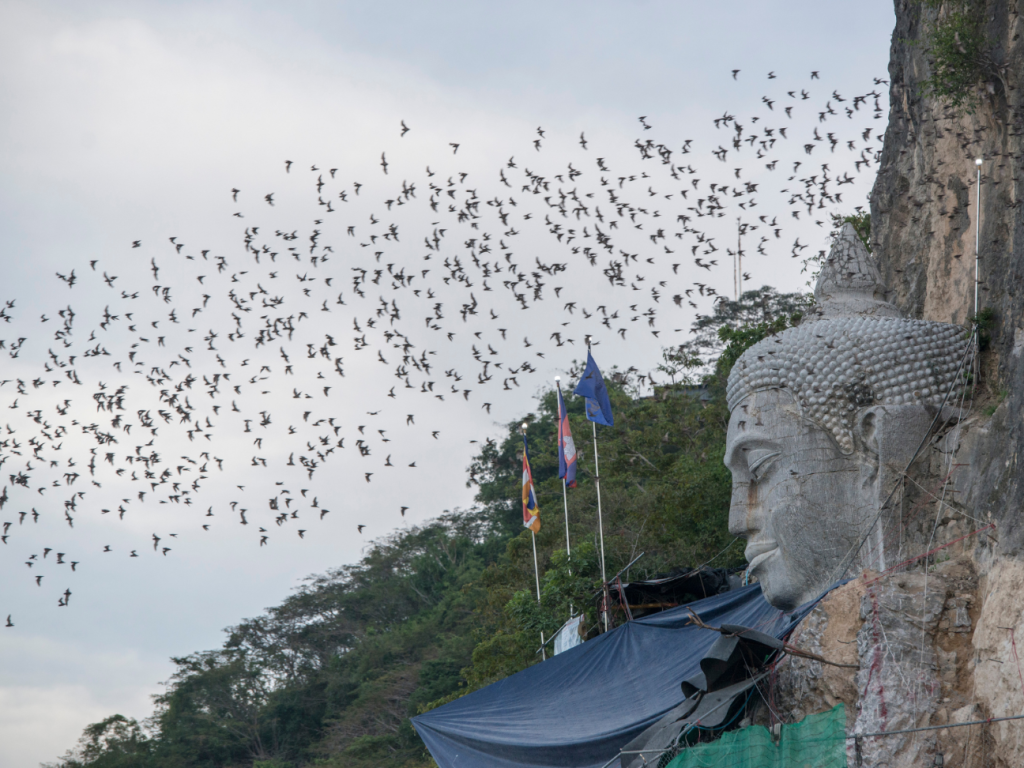
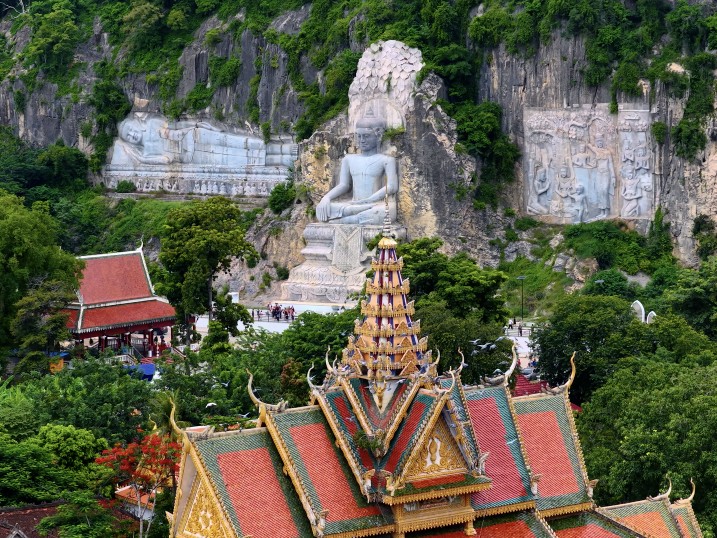
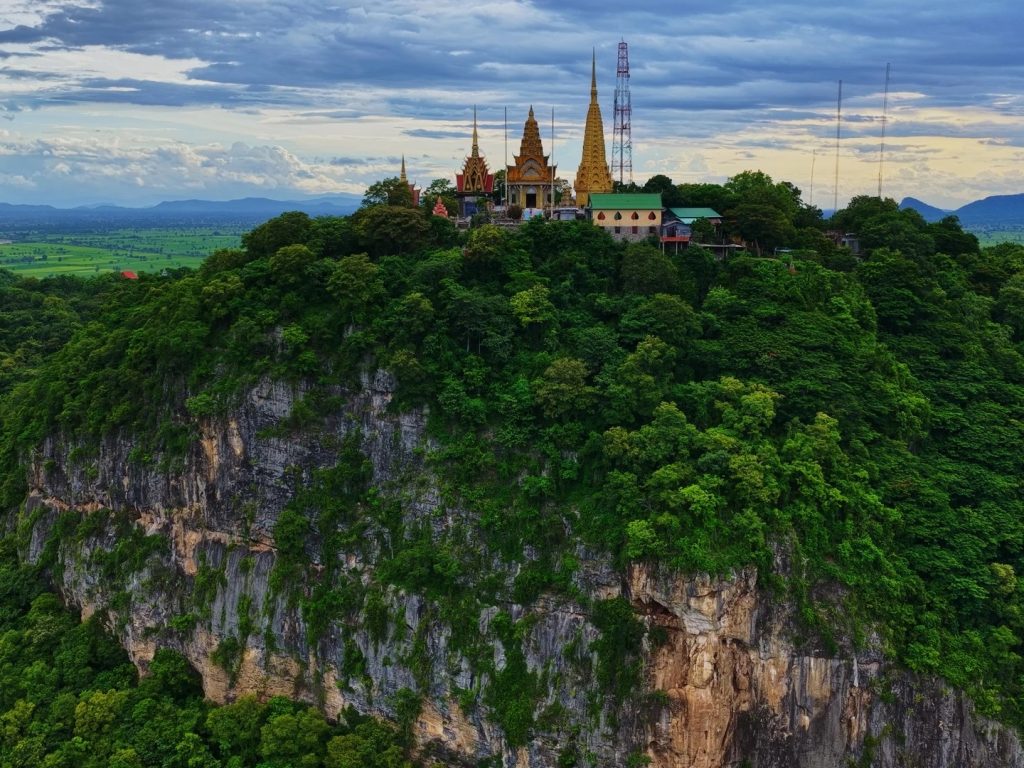
Phnom Sampov is about 12 km from Battambang city. Rising above the Battambang countryside, Phnom Sampov is not just a hill — it’s a sacred landmark where spiritual beauty, history, and nature meet. With its massive reclining Buddha, intricate carvings, and panoramic views, the site invites reflection, awe, and a quiet sense of reverence. As the sun dips low behind the rice fields, a hush falls across the crowd. All eyes turn to the cave opening carved in Phnom Sampov.

Koh Rong Island

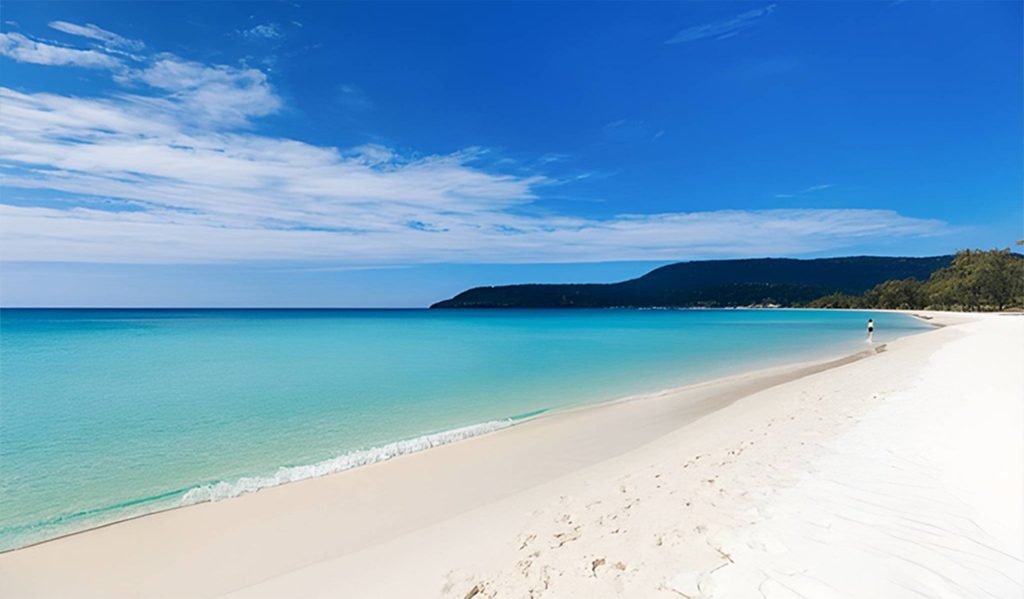
Koh Rong is located just off the coast of Sihanoukville, reachable via speed ferry (approx. 45 minutes). Koh Rong is its barefoot thrill. Raw, lively, and wonderfully unpredictable, this island is the kind of place where your flip-flops disappear on day one — and you never bother finding them again.

Kampi Dolphin Site

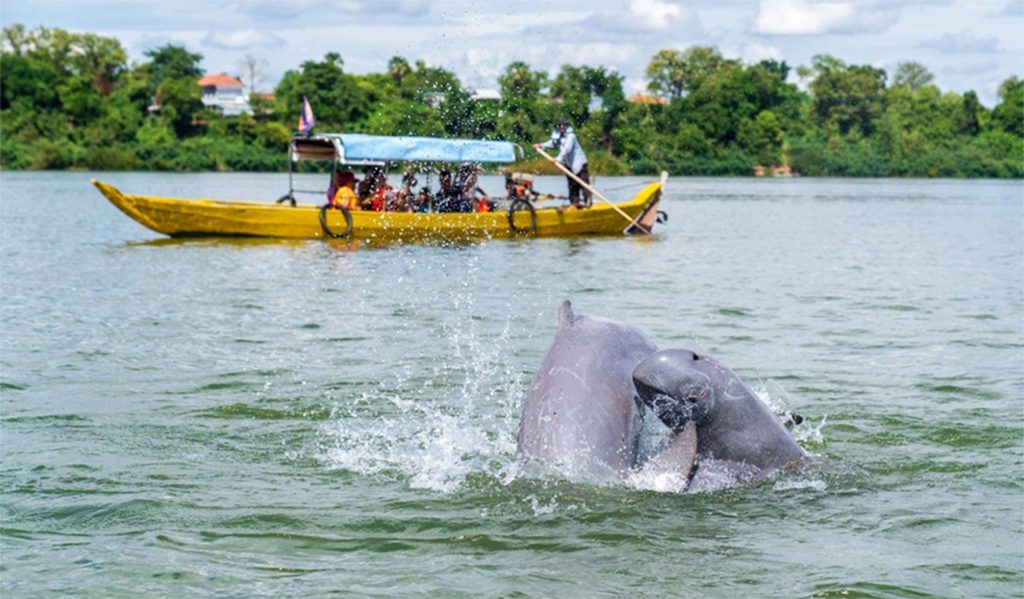
On the broad, majestic expanse of the Mekong River in Kratie province lies a place of international significance and quiet magic: the Kampi Dolphin Pool (អាងផ្សោតកាំពី). This is not an aquarium or a theme park; it is a natural deep-water basin that serves as a precious sanctuary for one of the world’s rarest and most enchanting creatures—the critically endangered Irrawaddy dolphin (ផ្សោតទន្លេមេគង្គ). A visit here offers a rare privilege: the chance to see these gentle, shy mammals in their natural habitat.

Bousra Waterfall

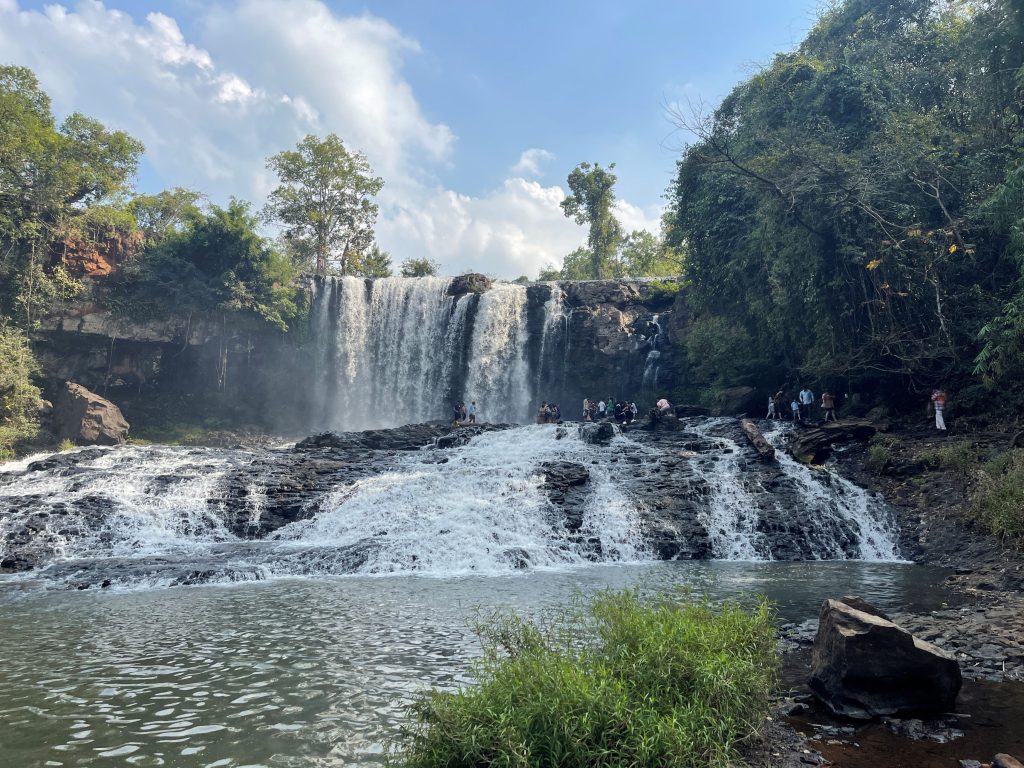
Bousra Waterfall is in Pech Chreada District, about 43 km northeast of Sen Monorom, the capital of Mondulkiri Province. Bousra’s upper and lower tiers tumble into emerald pools, each more breathtaking than the last. Whether you watch from the wooden platform above or venture down to the base, the sound is both thunderous and soothing.